
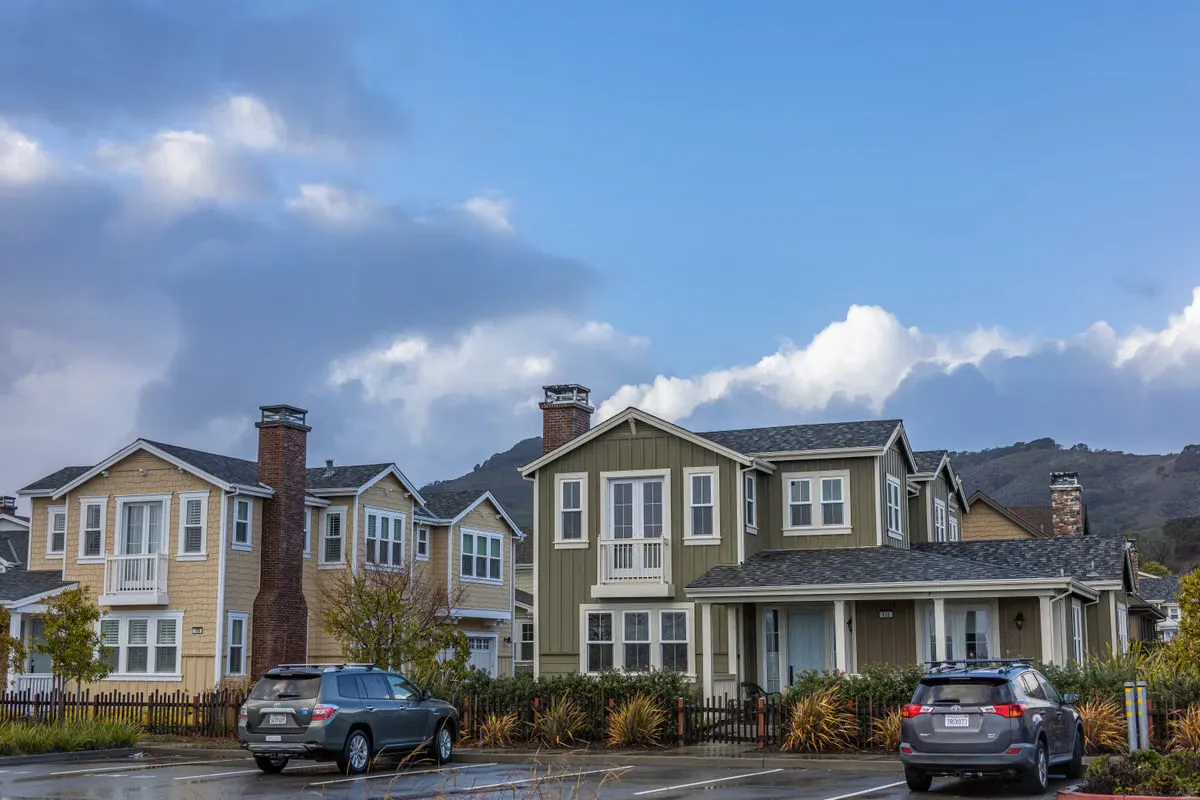
You can change everything about a house — the kitchen, the bathrooms, the floors, the layout. But you cannot change where it sits. Location is the one immutable characteristic of real estate, which is why choosing the right neighborhood is the most important decision you will make as a homebuyer.
Beyond the Obvious
Everyone checks school districts and commute times. Those matter, but they are just the beginning. To truly evaluate a neighborhood, you need to look deeper at the factors that affect both your daily quality of life and the long-term value of your investment.
Visit at Different Times
A neighborhood that feels peaceful on a Tuesday morning may be entirely different on a Saturday night. Visit at least three times: a weekday morning, a weekday evening, and a weekend afternoon. Pay attention to traffic patterns, parking availability, noise levels, and the general atmosphere of the streets.
“I always tell clients: drive the neighborhood at 7am, 6pm, and 10pm on a Saturday. If you still love it after all three visits, you have found the right place.”
Key Factors to Evaluate
- Walkability: Can you walk to coffee, groceries, or restaurants? Walkable neighborhoods hold value better and improve quality of life
- Future development: Check city planning websites for upcoming projects — new transit, schools, or commercial developments can boost values
- Residential turnover: Low turnover means stable, invested neighbors. High turnover can signal transient demographics or hidden issues
- Days on market: Look at how long homes sit in the neighborhood. Fast sales indicate strong demand; long listings may signal problems
- Property condition: Are neighboring homes well-maintained? One neglected property can drag down the entire block’s value
Talk to the Neighbors
This is the most underutilized research tool available. Before making an offer, knock on a few doors. Introduce yourself as someone considering the area and ask about their experience. You will learn more in ten minutes of honest conversation than in hours of online research. Ask about noise, safety, neighborhood events, and anything they wish they had known before moving in.
Think Five Years Ahead
Where will this neighborhood be in five years? Is it improving or declining? Look for signs of investment: new businesses opening, homes being renovated, young families moving in. These indicators signal a neighborhood on the rise — and a smart investment for the future. Conversely, deferred maintenance, closing businesses, and declining school enrollment are warning signs.
The right neighborhood is not just about the house — it is about the life you will live there. Take your time, do your research, and choose a location that supports both your lifestyle and your long-term financial goals.

Author: Gautam
Luxury Estates Specialist